On your phone? The PDF is sized for printing and will look tiny — just keep reading this page; it's already mobile-friendly. Download the PDF on a laptop or to print.
The Complete Low Carb & Keto Starter Guide
A practical, MetCheck-curated guide to low carb, keto, ketovore, and carnivore eating — designed to help you reverse metabolic syndrome, lose weight, and put type 2 diabetes into remission.
Looking for ready-to-cook meals? Browse 37 breakfasts, lunches, and dinners — each tagged Low Carb, Keto, or Carnivore. Open the Meal Plans →
Section 1
What Is a Low Carb or Keto Diet?
Low carb diets reduce sugar and starch intake while emphasizing whole foods, healthy fats, quality protein, and non-starchy vegetables. A ketogenic diet is a stricter form of low carb eating designed to help the body enter ketosis, where fat and ketones become a primary fuel source. Most keto diets limit net carbohydrates to approximately 20–50 grams per day.
The vast majority of people who adopt low carb / keto eating do so to improve metabolic health: stabilize blood sugar, reduce insulin, shrink waist circumference, lower triglycerides, raise HDL, reduce fatty liver, and reduce or eliminate dependence on medications for type 2 diabetes, hypertension, and obesity.
The Real Target
Visceral Fat: The Hidden Driver of Metabolic Disease
Not all body fat is created equal. The fat you can pinch under your skin (subcutaneous fat) is largely inert storage. The fat that wraps around your abdominal organs — liver, pancreas, intestines, heart — is called visceral adipose tissue (VAT), and it behaves more like an endocrine organ than a storage depot. VAT continuously secretes inflammatory cytokines (TNF-α, IL-6), free fatty acids, and adipokines directly into the portal vein that feeds the liver. This is the fat that drives metabolic syndrome, type 2 diabetes, NAFLD, hypertension, dementia, and cardiovascular disease.
Visceral vs ectopic fat. Visceral fat sits around the organs inside the abdominal cavity. Ectopic fat is fat stored inside organs and tissues that were never designed to hold it — fat infiltrating the liver (hepatic steatosis / NAFLD), the pancreas (driving beta-cell dysfunction and type 2 diabetes), skeletal muscle (intramyocellular lipid, driving insulin resistance), the heart (epicardial/pericardial fat), and even the kidneys. Visceral and ectopic fat usually travel together: once subcutaneous storage is overwhelmed, fat spills first into the visceral compartment and then into the organs themselves.
What it damages. Free fatty acids and inflammatory signals from VAT drain straight into the liver, driving NAFLD, NASH, fibrosis, and eventually cirrhosis. The same signals impair insulin receptors in muscle and liver (insulin resistance → prediabetes → type 2 diabetes), raise small-dense LDL and triglycerides, lower HDL, raise blood pressure, accelerate atherosclerosis, increase risk of stroke, heart attack, several cancers (breast, colon, pancreatic, endometrial), Alzheimer's disease (often called "type 3 diabetes"), erectile dysfunction, PCOS, sleep apnea, and chronic low-grade systemic inflammation that ages every tissue faster.
Acceptable levels. On DEXA, healthy visceral fat is roughly under ~2 lb (≈1 kg / ~1,000 cm³) for women and under ~2.5–3 lb (≈1.2–1.4 kg) for men. Risk climbs steeply above these thresholds and becomes high-risk above ~3 lb in women and ~4 lb in men. As a quick proxy without imaging: waist circumference should stay under 35 in (88 cm) in women and 40 in (102 cm) in men, and waist-to-height ratio should stay below 0.5 ("keep your waist less than half your height").
TOFI vs FOTI — why the scale lies
TOFI = Thin Outside, Fat Inside. Normal BMI, often a flat-ish belly, but dangerous loads of visceral and ectopic fat around the liver and pancreas. Common in South Asian, East Asian, and small-framed individuals — and in chronic dieters who lost muscle without losing organ fat. They look "healthy" and may have full-blown metabolic syndrome.
FOTI = Fat Outside, Thin Inside. Higher BMI, more visible subcutaneous fat, but relatively little visceral or organ fat. Often metabolically healthy with normal fasting insulin, triglycerides, HDL, and liver enzymes — the so-called "metabolically healthy obese."
You cannot tell which one you are from a mirror, a scale, or a BMI chart. Two people with identical weight and waist size can have wildly different visceral fat loads and wildly different risk. Lab markers (fasting insulin, HOMA-IR, triglyceride-to-HDL ratio, ALT) give strong hints, but only imaging gives a definitive answer.
Getting a definitive answer: DEXA and abdominal MRI. A DEXA scan (often $75–$150 cash) takes about 10 minutes and reports visceral adipose tissue mass in pounds or grams, plus total body composition (lean mass, fat mass, bone density). It is the most accessible way to quantify VAT and track it over time. An abdominal MRI (or MRI-PDFF / multi-parametric MRI such as Perspectum LiverMultiScan) is the gold standard: it measures visceral fat volume precisely and quantifies fat inside the liver and pancreas (the ectopic fat that actually drives disease), plus liver inflammation and fibrosis. If your labs are borderline, your waist is creeping up, or you have a family history of diabetes, fatty liver, or early heart disease, an MRI is the ultimate risk-stratification tool.
Exercise: sprints beat long runs for visceral fat
Chronic long-distance running burns calories but is a relatively weak tool for shrinking visceral fat — and high-volume endurance training can elevate cortisol, which actually promotes visceral fat storage. Multiple studies show that brief, all-out 10–30 second sprints (HIIT / sprint interval training) — 6–10 repeats, 2–3 sessions per week — strip visceral fat dramatically faster than steady-state cardio of equal or greater duration. The hormonal response (growth hormone, catecholamines, improved insulin sensitivity) is what matters, not calories burned during the workout. Walking daily plus 2–3 sprint sessions per week beats an hour of jogging every day for visceral fat loss, joint health, and time.
The good news: visceral and ectopic fat are the first fat depots to shrink on a well-formulated low-carb or ketogenic diet combined with time-restricted eating and sprint training. Many people see measurable VAT loss and falling liver fat within 8–12 weeks, often before significant scale weight loss.
Deep Dive
Understanding Ketosis
Ketosis is the metabolic state in which your body, deprived of its usual flood of dietary carbohydrate, shifts to burning fat — and the ketones produced from fat — as its primary fuel. Most cells, including the brain, run cleanly and steadily on ketones. Ketosis is a normal, ancestral metabolic state our species evolved with during periods of fasting, winter, or low-carb food availability.
How you reach it. Ketosis is triggered when liver glycogen runs low and insulin drops, signaling the liver to make ketone bodies (mainly beta-hydroxybutyrate, or BHB) from fat. The two reliable on-ramps are (1) restricting net carbs to roughly 20–50 g/day, and (2) extending the overnight fast (16:8 time-restricted eating works well). Most people reach measurable ketosis within 2–5 days of strict carb restriction; longer if you're insulin-resistant. Adding daily movement, especially a brisk fasted walk, accelerates the transition.
The Ketosis Spectrum: Nutritional to Therapeutic
Not all ketosis is created equal. Blood BHB levels fall on a spectrum, and each band unlocks different benefits. Higher is not always better — match the level to your goal.
Trace / sub-ketosis (0.2–0.5 mmol/L). You're carb-reduced but not yet in true ketosis. Useful as a gentle entry point — appetite begins to calm, glucose smooths out, and cravings start to fade. Limited fat-adaptation benefits.
Light nutritional ketosis (0.5–1.0 mmol/L). The entry zone for real fat-burning. Most people feel steadier energy, fewer hunger swings, and improved focus. Weight loss accelerates, insulin drops, and blood pressure often begins to fall. A sustainable place to live long-term.
Optimal nutritional ketosis (1.0–3.0 mmol/L). The sweet spot for most metabolic-health goals: type 2 diabetes remission, fatty liver reversal, PCOS, stubborn weight loss, and clear mental performance. Triglycerides drop, HDL rises, and inflammation markers improve. This is the band the well-known diabetes-reversal studies target.
Therapeutic ketosis (3.0–6.0+ mmol/L). Usually reached only with stricter carb restriction, exogenous ketones, or extended fasting. Used clinically for drug-resistant epilepsy and studied for neurological conditions (Alzheimer's, Parkinson's, traumatic brain injury), certain cancers as an adjunct, and severe insulin resistance. Should be approached with clinician guidance.
Fasting / starvation ketosis (3.0–7.0+ mmol/L). Reached during multi-day water fasts. Drives deep autophagy, stem cell activation, and powerful insulin sensitivity gains. Not for daily living — for protocols supervised by your physician or coach.
Nutritional ≠ diabetic ketoacidosis.
Nutritional ketosis (0.5–6 mmol/L) is safe and self-limiting. Diabetic ketoacidosis (DKA) occurs almost exclusively in type 1 diabetes with insulin failure, runs 15–25+ mmol/L, and is paired with very high glucose. If you are on insulin or SGLT2 inhibitors, coordinate with your physician before going keto.
Why It Matters
Carbs, Insulin Spikes, and Long-Term Harm
Every time you eat refined carbs or sugar, blood glucose climbs and the pancreas releases a surge of insulin to push that glucose into cells. A modern Western diet — bread, cereal, pasta, rice, juice, soda, snacks, desserts — triggers this spike multiple times a day, every day, for decades. The body was never designed for this load. Over time, chronically elevated glucose and insulin quietly damage nearly every organ system.
Arteries & heart. High insulin drives the liver to overproduce small dense LDL and triglycerides, lowers protective HDL, raises blood pressure, and promotes inflammation of the artery wall — the actual machinery of atherosclerosis, heart attack, and stroke.
Brain. Insulin resistance in the brain impairs glucose uptake by neurons — researchers now call Alzheimer's "type 3 diabetes." Chronic glucose swings also worsen mood, anxiety, brain fog, ADHD-like symptoms, and migraine.
Liver. Excess carbs the liver can't store as glycogen are converted to fat via de novo lipogenesis. The result is non-alcoholic fatty liver disease (NAFLD/MASLD), now affecting roughly 1 in 3 American adults and progressing silently to cirrhosis.
Kidneys. High glucose damages the delicate filtering capillaries of the nephrons, driving diabetic kidney disease — the leading cause of kidney failure and dialysis in the United States.
Eyes. The same microvascular damage causes diabetic retinopathy, the leading cause of preventable blindness in working-age adults, and accelerates cataracts and macular degeneration.
Nerves. Glucose toxicity destroys small peripheral nerves, producing the burning, tingling, and numbness of diabetic neuropathy — and contributing to autonomic dysfunction, gastroparesis, and erectile dysfunction.
Pancreas. Decades of forced over-secretion eventually exhaust the insulin-producing beta cells. Once enough beta cells fail, type 2 diabetes becomes insulin-dependent and far harder to reverse.
Whole-body effects. Hyperinsulinemia also fuels obesity (insulin is the body's primary fat-storage hormone), PCOS, gout, certain cancers (breast, colorectal, endometrial, pancreatic), sleep apnea, and chronic low-grade inflammation that accelerates biological aging.
The good news: insulin responds to diet within days. Removing the glucose load — through low-carb or ketogenic eating — lets insulin fall, gives organs a chance to recover, and in many cases reverses damage that medication only masks. This is why low carb / keto is not just a weight-loss diet; it is the foundational lever for protecting your heart, brain, liver, kidneys, eyes, nerves, and pancreas for the long run.
Section 2
The Low Carb Spectrum
Low Carb
50–150 g net carbs/dayWhole foods, reduced sugar and starch, moderate fruit. Sustainable, flexible — a strong starting point for most adults.
Ketogenic (Keto)
20–50 g net carbs/dayDesigned to produce nutritional ketosis. Strong evidence for weight loss, type 2 diabetes remission, PCOS, and metabolic syndrome reversal.
Ketovore
under 10–20 g net carbs/dayPrimarily animal-based with a small amount of low-carb plants (leafy greens, avocado). Highly satiating; useful for stalls and inflammation.
Carnivore
≈ 0 gAnimal foods only — meat, fish, eggs, sometimes dairy. Used as a short-term elimination protocol for chronic inflammation, autoimmune symptoms, joint pain, skin disorders, and severe metabolic dysfunction.
Section 3
Important Baseline Biomarkers Before Starting
Before changing your diet, get a baseline so you can measure progress and so your physician can adjust medications safely. Recommended biomarkers include:
- Waist circumference and weight
- Blood pressure
- HDL cholesterol
- Triglycerides
- Fasting glucose and hemoglobin A1c
- Fasting insulin — often the earliest marker of insulin resistance, abnormal years before glucose moves
- HOMA-IR (calculated from fasting glucose × fasting insulin)
- Optional: ApoB, Lp(a), uric acid, hs-CRP
Need labs without a doctor visit?
Use MetCheck's lab partner, Ulta Lab Tests. Blood draws are at any of 2,800+ Quest Diagnostics centers. The full panel is typically under $70 plus a $12.95 draw fee.
Schedule your lab tests →Section 4
How to Get Started
- Clear the kitchen. Throw out carb-rich foods, processed foods, frozen meals, sugary condiments, snacks, desserts, and ultra-processed convenience foods.
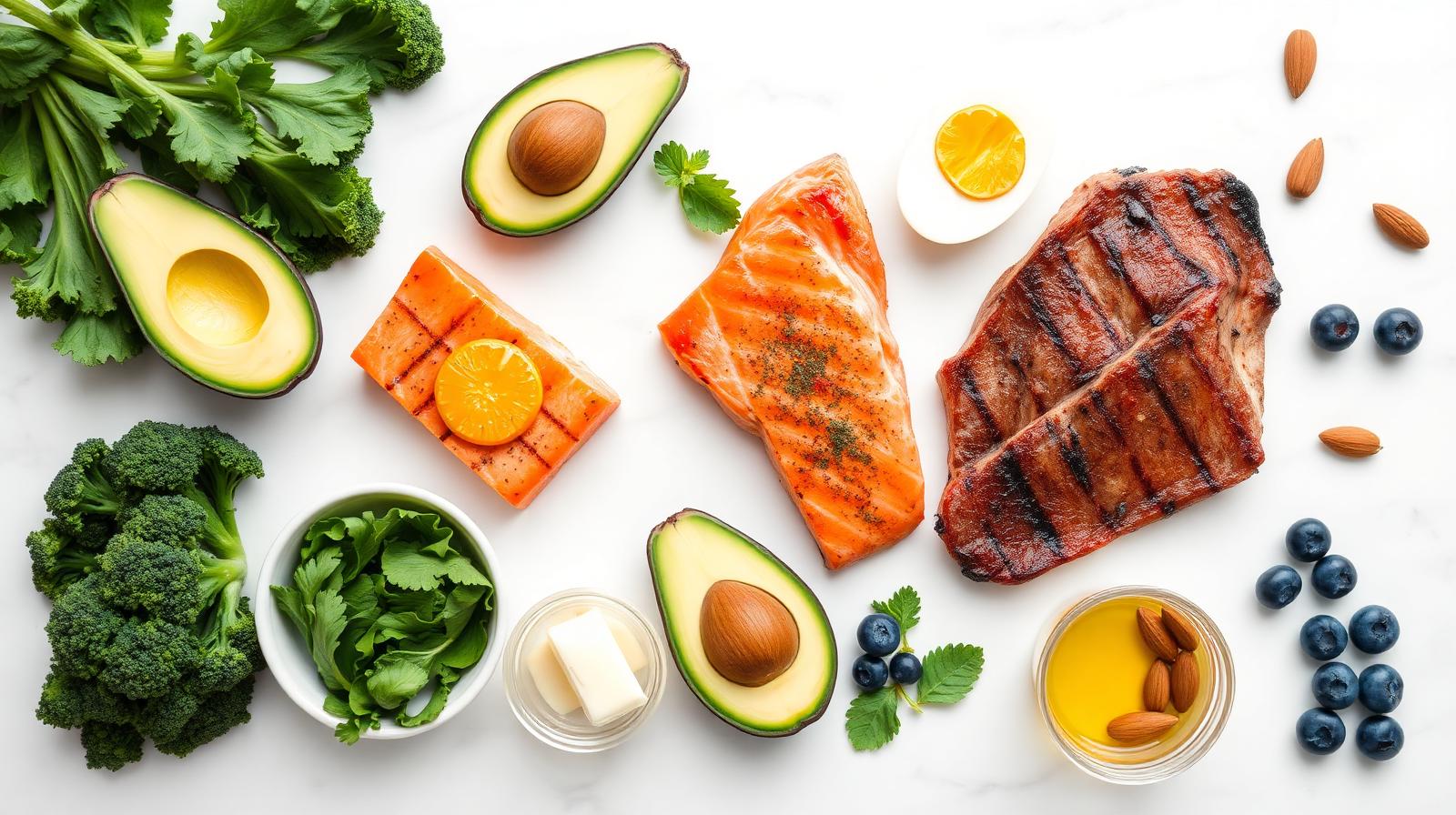
- Stock up. Meat, poultry, fish, eggs, bacon, butter, ghee, tallow, coconut oil, olive oil, avocados, and non-starchy vegetables.
- Cook at home more often. You control the ingredients and the oils.
- Try two meals a day instead of three. Most people naturally settle here once cravings stabilize.
- Get a Keto-Mojo monitor (ketone + glucose strips) and a blood pressure cuff. Measure once a day.
- Hold off on the scale. Weigh in around day 10 — not daily. Daily fluctuations will mess with your head.
- Use MetCheck coaching. Build an action plan and check in any time you slip — that's exactly what your AI coach is for.
Section 5
Time-Restricted Eating & Fasting
Many people pair low carb eating with time-restricted eating (TRE). The most common approach is 16:8 — fasting for 16 hours and eating within an 8-hour window. Once hunger and cravings stabilize, two satisfying meals per day usually feels natural.
Stop eating at least 2 hours before bedtime. Late eating spikes glucose and insulin overnight and harms sleep, digestion, and morning fasting numbers.
| Time | Sample 16:8 Day |
|---|---|
| 7:00 AM | Water, black coffee, or tea (fasting window) |
| 12:00 PM | Meal 1 — eggs, avocado, salmon, vegetables |
| 3:00 PM | Optional whole-food snack only if truly hungry |
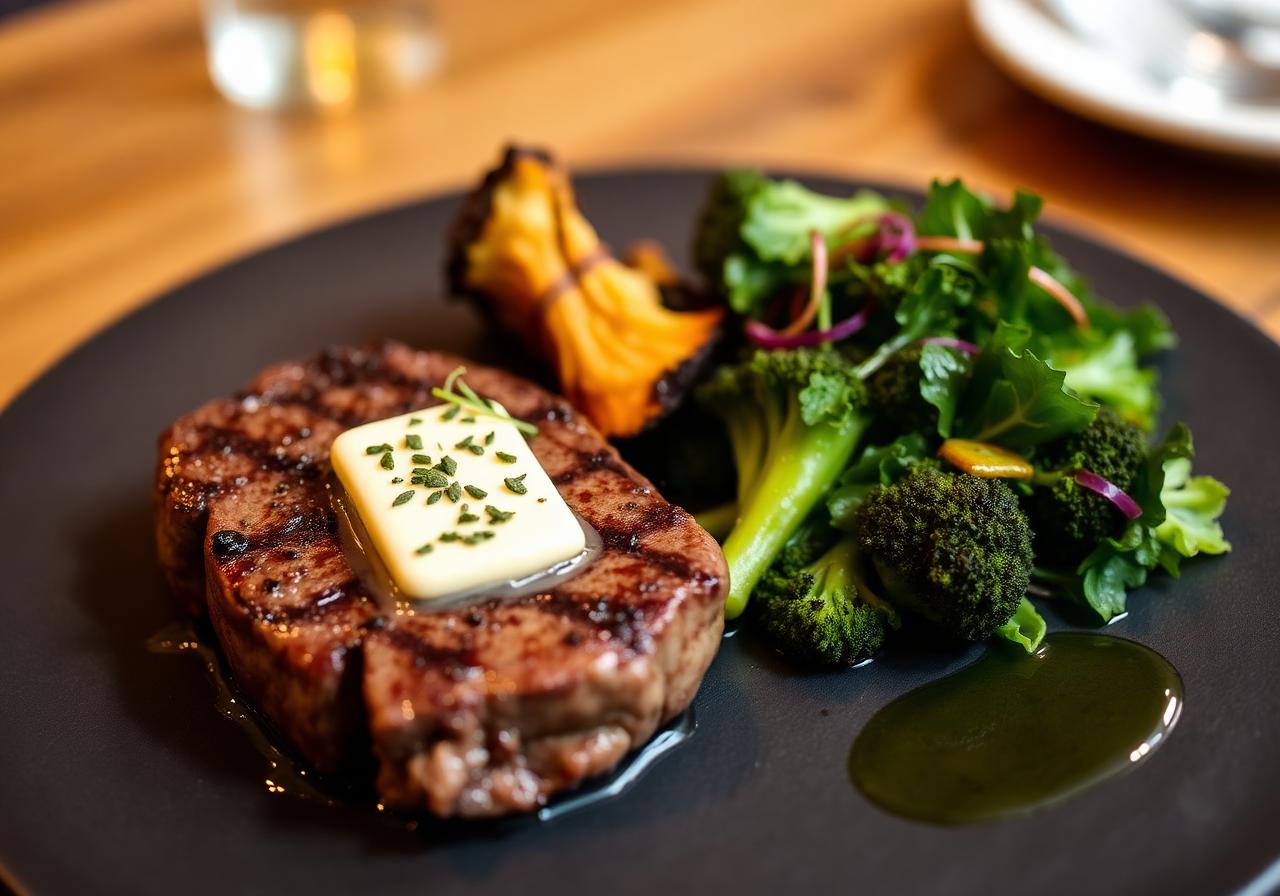
| 6:00 PM | Meal 2 — steak, broccoli, olive oil salad |
| 8:00 PM | Stop eating ≥ 2 hours before bedtime |
Section 6
Whole-Food Snacks & Healthy Fats
When snacks are needed, prioritize whole foods: nuts, olives, cheese, boiled eggs, avocado, sardines, or vegetables with a clean dip. Avoid relying on ultra-processed keto bars, packaged keto desserts, and artificially sweetened convenience foods — they keep cravings alive.
Healthy fats include extra-virgin olive oil, avocados, butter, ghee, tallow, fatty fish, nuts, seeds, and coconut products. Coconut oil contains medium-chain triglycerides (MCTs), which support ketone production and steady energy.
Eliminate seed oils (soybean, corn, canola, sunflower, safflower, cottonseed, grapeseed) — these inflammatory industrial oils sit in nearly every restaurant meal and packaged food.
Reference
Eat / Limit / Avoid
Eat freely
- • Beef, lamb, pork, bison, organ meats
- • Poultry & eggs
- • Fatty fish & shellfish
- • Butter, ghee, tallow, lard
- • Extra-virgin olive oil, avocado oil
- • Avocado, olives
- • Leafy greens, broccoli, cauliflower, zucchini
- • Nuts & seeds (in moderation)
- • Berries (small portions)
- • Hard cheeses, full-fat dairy (if tolerated)
Limit
- • Starchy vegetables (potato, corn, peas)
- • Most fruit beyond berries
- • Beans & legumes
- • Sweetened yogurt
- • Wine & spirits
- • "Keto" packaged snacks & bars
Avoid
- • Sugar, syrups, honey, agave
- • Bread, pasta, rice, cereal
- • Sugary drinks, juice, smoothies
- • Seed oils (canola, soy, corn, sunflower)
- • Margarine & shortening
- • Ultra-processed snacks & desserts
- • Beer & sweet cocktails
Section 7
Monitoring Ketosis & Glucose
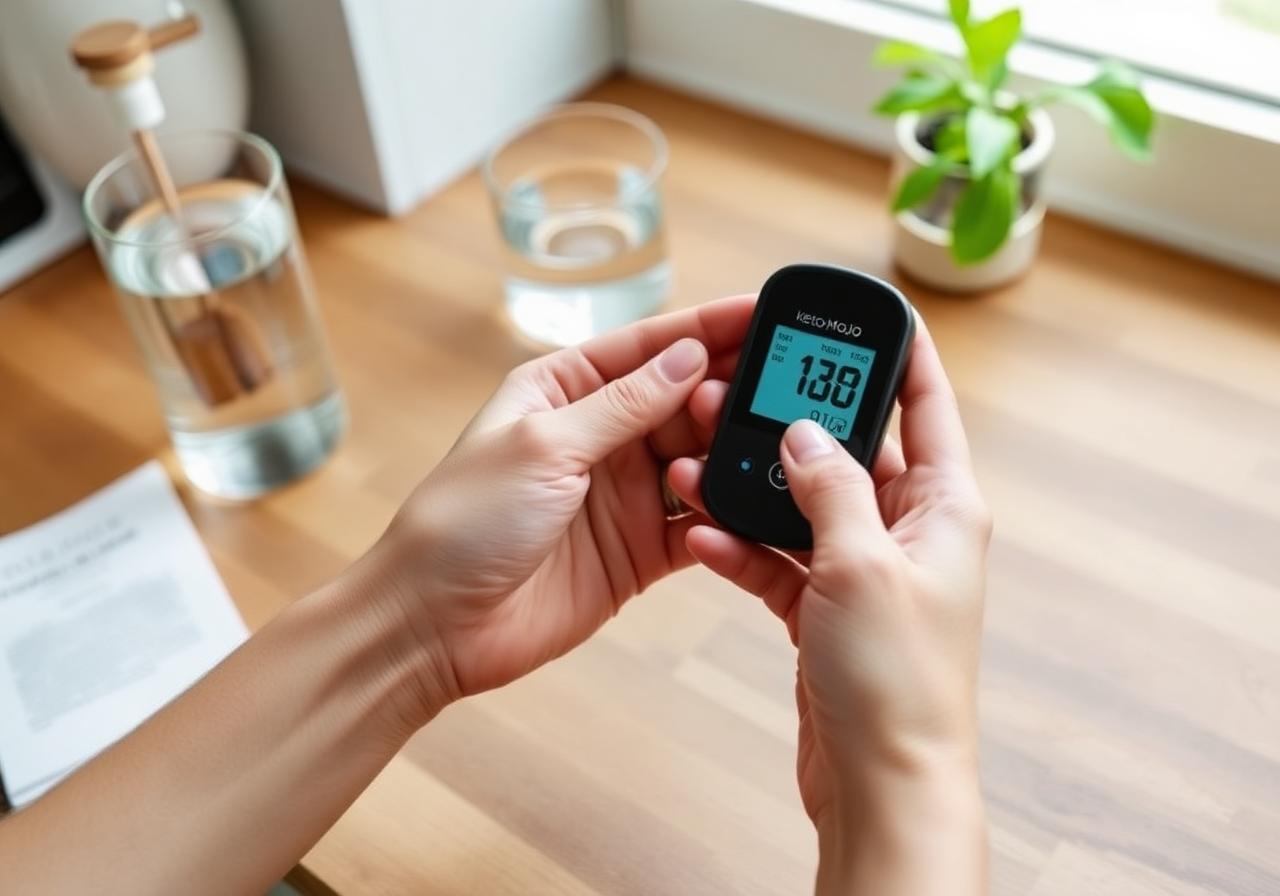
Blood ketone and glucose meters such as Keto-Mojo let you track nutritional ketosis and metabolic flexibility. Continuous glucose monitors (CGMs) — Stelo, Lingo, Dexcom — show real-time response to food, exercise, sleep, and stress.
Typical nutritional ketosis runs 0.5 – 3.0 mmol/L. Higher levels are common during fasting or therapeutic ketogenic diets.
Very high ketones combined with very high glucose can indicate diabetic ketoacidosis (DKA) — a medical emergency that is distinct from nutritional ketosis. Type 1 diabetics and some type 2 diabetics on SGLT2 inhibitors should check with their physician before starting keto.
Section 8
Potential Health Benefits
Low carb and ketogenic diets may help improve:
Researchers are also actively exploring ketogenic therapies in psychiatric conditions, neurodegenerative disease, dementia (sometimes called type 3 diabetes), certain cancers, and cardiovascular risk reduction.
Section 9
Keto & LDL Cholesterol
Some people see LDL rise on a low carb or ketogenic diet — sometimes significantly. Modern cardiovascular risk assessment looks beyond LDL alone: ApoB, triglycerides, HDL, fasting insulin, hs-CRP, and particle size all matter.
Lean, metabolically healthy individuals sometimes develop high LDL alongside excellent triglycerides and HDL — a pattern called the Lean Mass Hyper-Responder (LMHR). Emerging research suggests this pattern may not carry the same risk profile as elevated LDL in insulin-resistant patients. Discuss your results with a metabolic-health-literate physician.
Section 10
Finding a Low-Carb-Friendly Physician
Many physicians remain cautious about low-carb and ketogenic diets, often based on outdated training around saturated fat and LDL. A growing community of physicians and metabolic-health practitioners specialize in low-carb, ketogenic, and carnivore care and take a more nuanced view of cardiometabolic risk.
For a state-by-state directory of low-carb / keto / carnivore-friendly physicians and practitioners, visit carnivore.doctor.
Section 11
Medication Considerations
If you take medications for diabetes, high blood pressure, obesity, or other chronic conditions, talk to your physician before starting. As weight, blood pressure, glucose, and insulin improve — often within weeks — many medications need to be lowered or stopped to avoid hypoglycemia or low blood pressure.
This is especially true for: insulin, sulfonylureas (glipizide, glyburide), SGLT2 inhibitors, blood pressure medications, and diuretics.
Pro tips
Common Pitfalls (and Fixes)
- "Keto flu" — fatigue, headaches, muscle cramps in the first 1–2 weeks. Fix: salt your food liberally, drink plenty of water, supplement magnesium and potassium.
- Stalled weight loss — recheck hidden carbs, dairy, nuts, "keto" packaged snacks, and alcohol. Try ketovore or 18:6 fasting for 2 weeks.
- Cravings — eat more protein and fat at meals; cravings almost always mean you're under-eating real food.
- Not enough fiber? Most people get plenty from non-starchy vegetables; constipation usually means low salt and water, not low fiber.
- Eating out — request proteins cooked in butter, not seed oil. Skip bread, fries, and sweet sauces.
Resources
Helpful Tools & Links
Medical disclaimer
This guide is for educational and informational purposes only and is not medical advice. Always consult your physician or qualified healthcare professional before starting any new diet, fasting program, supplement regimen, or lifestyle intervention — especially if you take prescription medications.
MetCheck • metaboliccheckup.com